




Japanese knotweed, the unstoppable
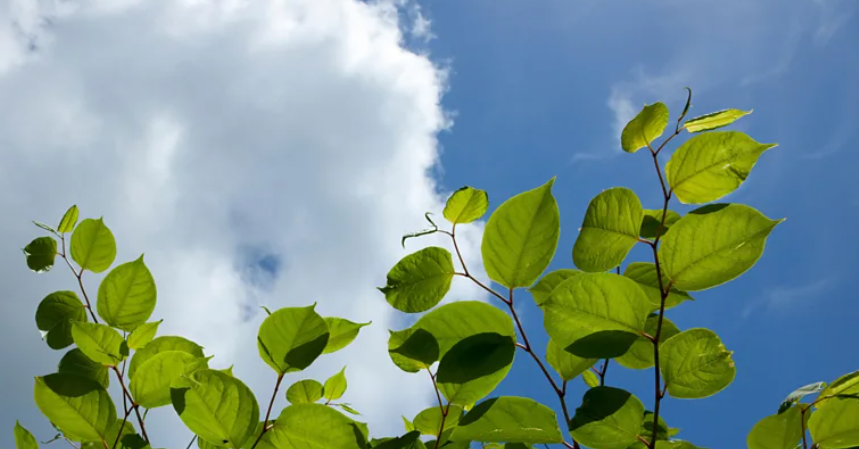
“After sending a friend several hampers of plants season after season, all without satisfactory results… I sent him some of this,” explained the botanist John Wood in 1884. He was writing a gardening manual, and heaped gushing praise on a sensational, newish shrub that that even the most hapless horticulturalist would be able to handle. It was an import from the Far East, and would make a “capital” addition to the small town garden – with pleasing red shoots, handsome heart-shaped foliage, and gracefully arching stems.
If you left it alone to grow for a few years, it would form a “charming thicket”…
This was no ordinary bush, of course – it was Japanese knotweed, and there is one glaring detail Wood had neglected to advertise. Aside from its noble, though perhaps slightly over-hyped, aesthetic qualities, it’s perversely good value, because once you have it, it’s (almost) permanent – it will never die, and without drastic action, future generations will be battling forests of its dense, bamboo-like stems for the coming centuries.
Out of the 13,000 alien species that have made their way around the world since colonialism began in the 15th Century, Japanese knotweed is widely regarded to be among the most intractable – smothering suburban gardens, swallowing up whole swathes of railway line, swamping canals, and creeping into national parks with its searching tendrils.